 (Image via
Shampooing your hair is a fundamental part of maintaining hair health, but how often should you do it? What are the best shampoos for your hair type? And how can you ensure you're treating your hair right during the process? Let's dive into the sudsy world of shampoos and uncover the secrets to luscious locks.
How Often Should You Shampoo?
The frequency of shampooing varies from person to person, depending on hair type, lifestyle, and personal preference. Here are some general guidelines:
1. Oily Hair: If your hair tends to get greasy quickly, you might need to shampoo daily or every other day. Look for shampoos labeled as "clarifying" or "balancing" to help control oil production without stripping your hair of essential moisture.
2. Dry or Curly Hair: These hair types are more prone to dryness because natural oils have a harder time traveling down the hair shaft. Shampooing once or twice a week is often sufficient. Opt for moisturizing shampoos with nourishing ingredients like shea butter or coconut oil.
3. Normal Hair: If your hair is neither too oily nor too dry, aim for washing two to three times a week. This helps maintain natural oils and keeps your scalp healthy. A gentle, sulfate-free shampoo is a safe bet.
4. Color-Treated Hair: To preserve your color, reduce shampooing frequency to two times a week. Use color-safe shampoos that help lock in the dye and protect against fading.
5. Active Lifestyle: If you sweat a lot due to exercise or live in a humid climate, you might need to wash your hair more frequently. In such cases, a lightweight, refreshing shampoo can help manage sweat and odor without over-drying your hair.
Choosing the Best Shampoo
Selecting the right shampoo can significantly impact your hair's health and appearance. Here's how to navigate the shampoo aisle:
1. Moisturizing Shampoos: Ideal for dry, brittle, or frizzy hair, these shampoos contain ingredients like argan oil, aloe vera, and glycerin to hydrate and smooth hair. They work best when paired with a moisturizing conditioner.
2. Volumizing Shampoos: If your hair lacks volume, seek shampoos labeled for volume or body. These are formulated to lift roots and add fullness without weighing hair down. Look for ingredients like rice protein or wheat protein.
3. Clarifying Shampoos: Designed to remove build-up from styling products, minerals, and oils, these are great for a deep clean. However, they can be harsh, so limit use to once a week or less.
4. Color-Safe Shampoos: For dyed hair, these shampoos protect and prolong color. They are sulfate-free and contain UV filters to guard against sun damage.
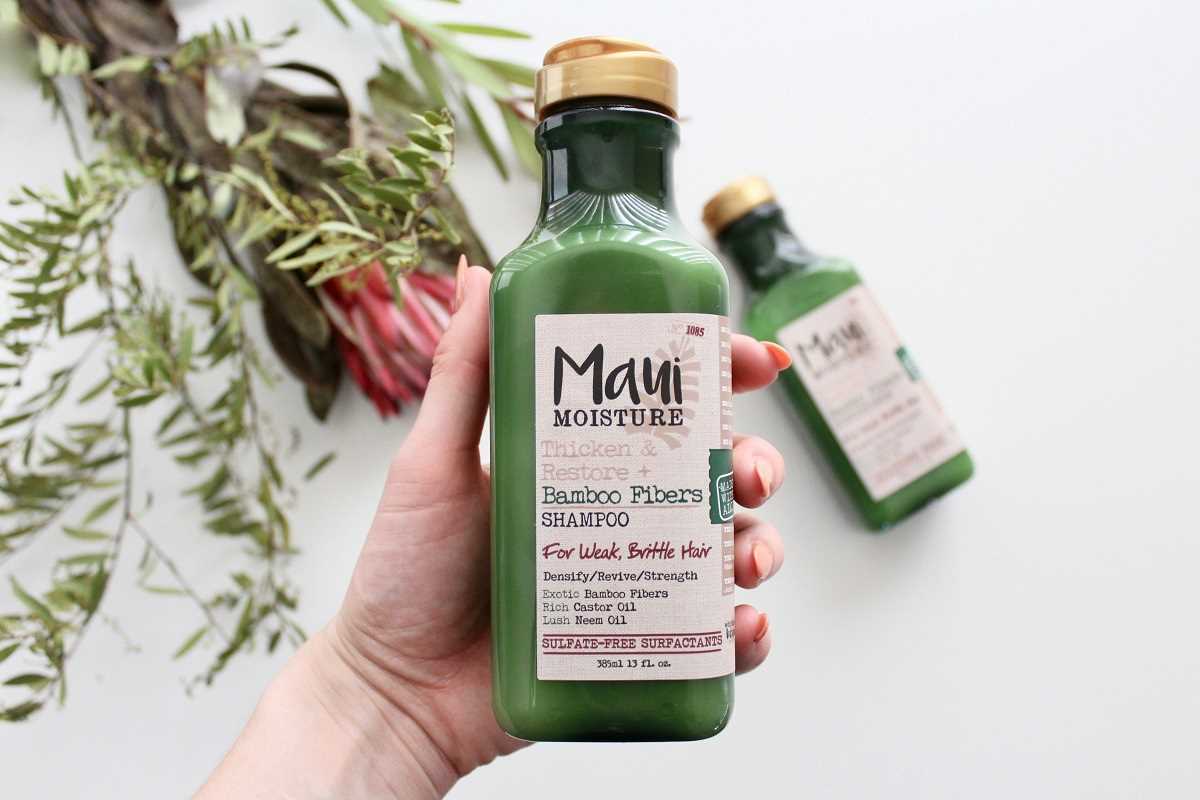
5. Sulfate-Free Shampoos: Sulfates can strip hair of natural oils, making sulfate-free options a gentler choice, especially for sensitive scalps or treated hair.
Reading Ingredients and Labels
Understanding shampoo labels can help you make informed choices:
- Sulfates: Commonly found in shampoos for their lathering properties, but can be drying. Look for "sulfate-free" if you have sensitive skin or color-treated hair.
- Silicones: Add shine and smoothness but can lead to build-up. Choose water-soluble silicones or avoid them if your hair feels weighed down.
- Parabens: Preservatives that some prefer to avoid due to health concerns. Look for "paraben-free" labels if this is important to you.
- Natural Oils: Ingredients like jojoba, argan, and avocado oil nourish and hydrate hair, making them excellent for dry and damaged hair.
Proper Shampooing Techniques
Even the best shampoos won't work if used incorrectly. Follow these steps for optimal results:
- Wet Thoroughly: Start with thoroughly wet hair to allow shampoo to spread evenly.
- Apply Shampoo: Use a quarter-sized amount (more for longer hair) and focus on the scalp where oil accumulates. Gently massage in circular motions.
- Rinse Completely: Ensure all shampoo is rinsed out to prevent residue that can lead to dullness or scalp irritation.
- Condition Properly: Apply conditioner mainly to the ends to avoid weighing down the roots. Allow it to sit for a few minutes before rinsing.
- Finish with Cool Water: A cool rinse can help seal the hair cuticle, adding shine and reducing frizz.
Maintaining Hair Health
Beyond shampooing, here are some tips to maintain hair health:
- Regular Trims: Prevent split ends by trimming every 6-8 weeks.
- Healthy Diet: A diet rich in vitamins and proteins supports hair strength and growth. Foods like salmon, nuts, and leafy greens are excellent choices.
- Limit Heat Styling: Excessive heat can damage your hair, so use styling tools sparingly and always with a heat protectant.
- Stay Hydrated: Hydration is crucial for overall health, including your hair. Drink plenty of water daily.
With these tips, you're well on your way to mastering the art of shampooing and keeping your hair healthy and vibrant. Remember, the key is to tailor your routine to your hair's specific needs and enjoy the process of caring for your locks. Happy shampooing!